
Empowering English Skills for Science Students

01.
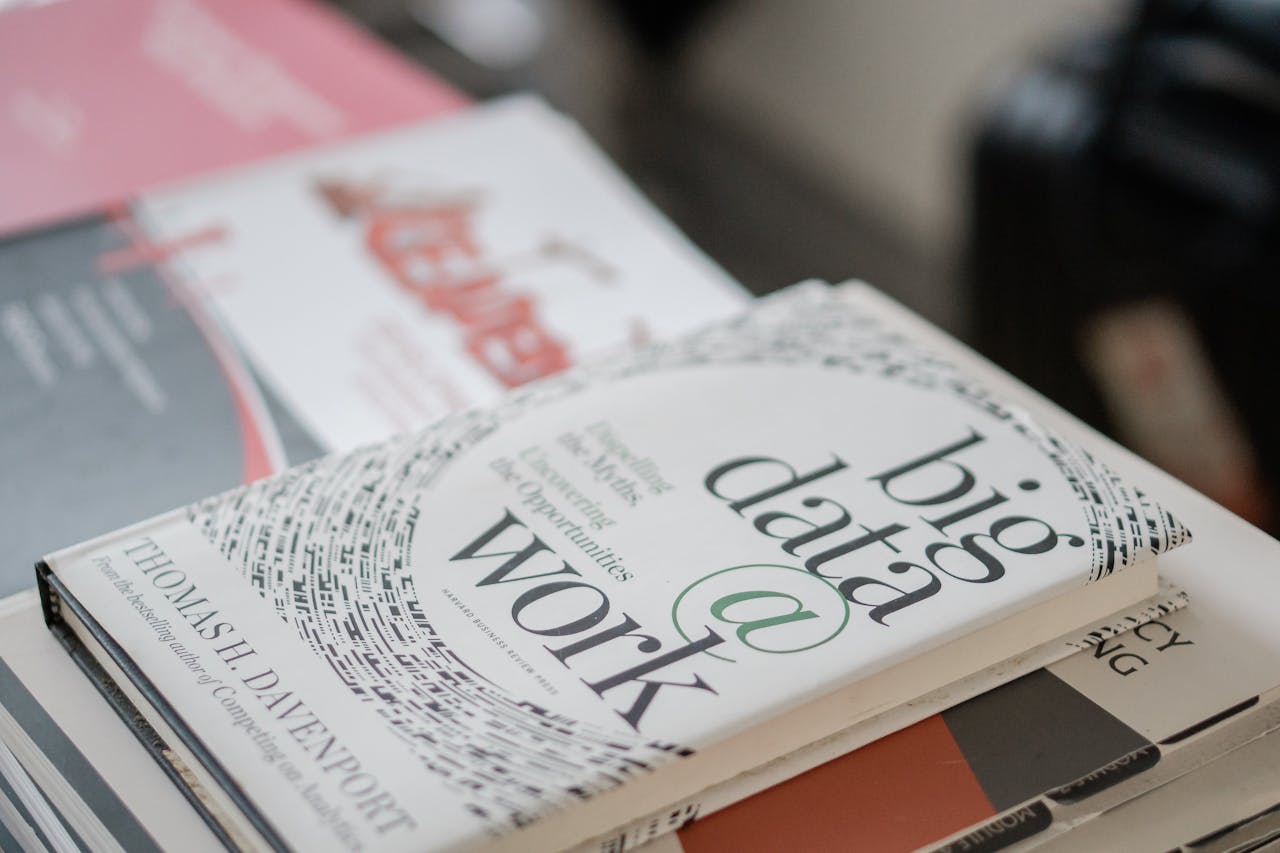
Analytical Reading
Our analytical reading program equips students with the skills to assess and interpret complex Science & Technology texts effectively, fostering deep understanding and critical thinking. This service promotes going beyond mere comprehension to analyze the underlying principles and implications of academic literature.
02.
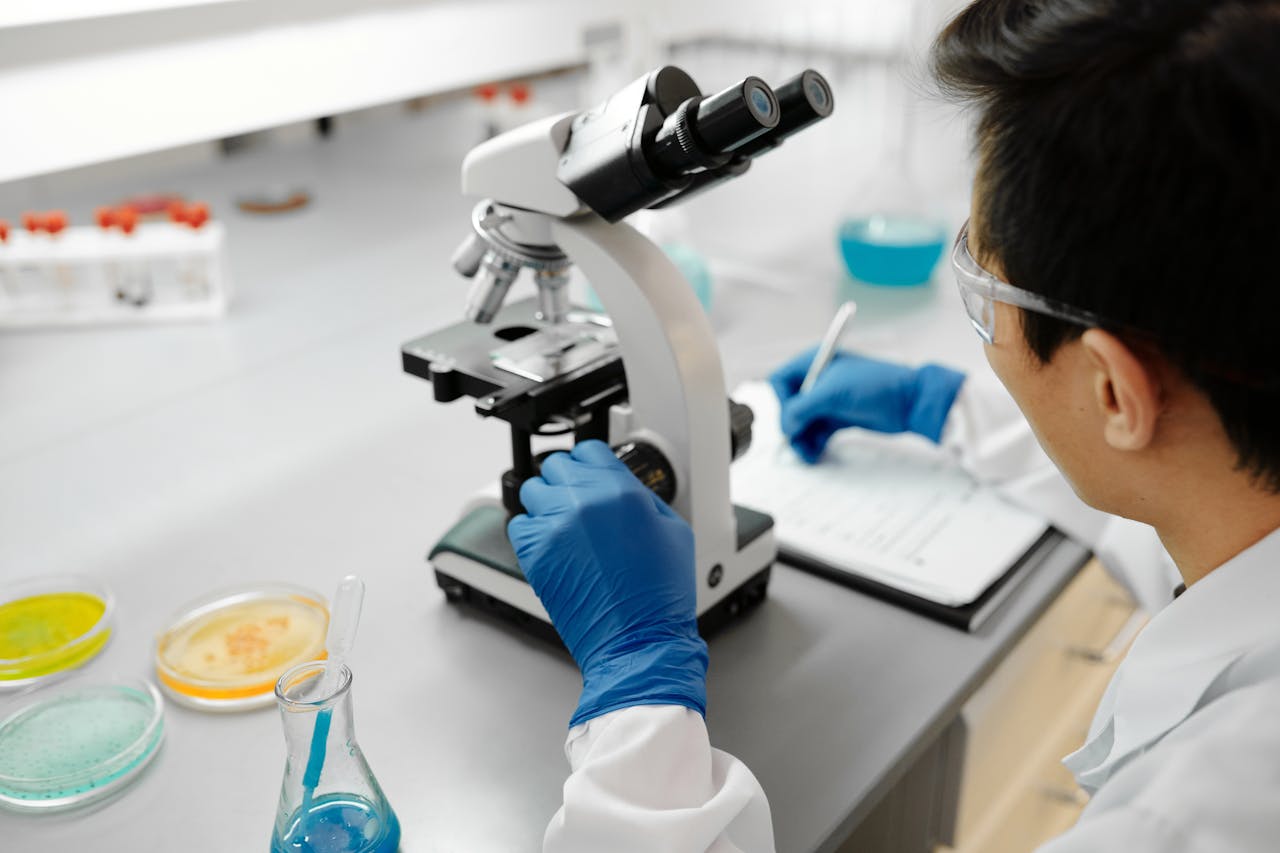
Proficient Writing
In our proficient writing service, students learn to craft compelling Compare-Contrast Essays that are evidence-based and structured. This program emphasizes the importance of clear communication and logical organization, enabling students to express their insights succinctly and effectively.
03.
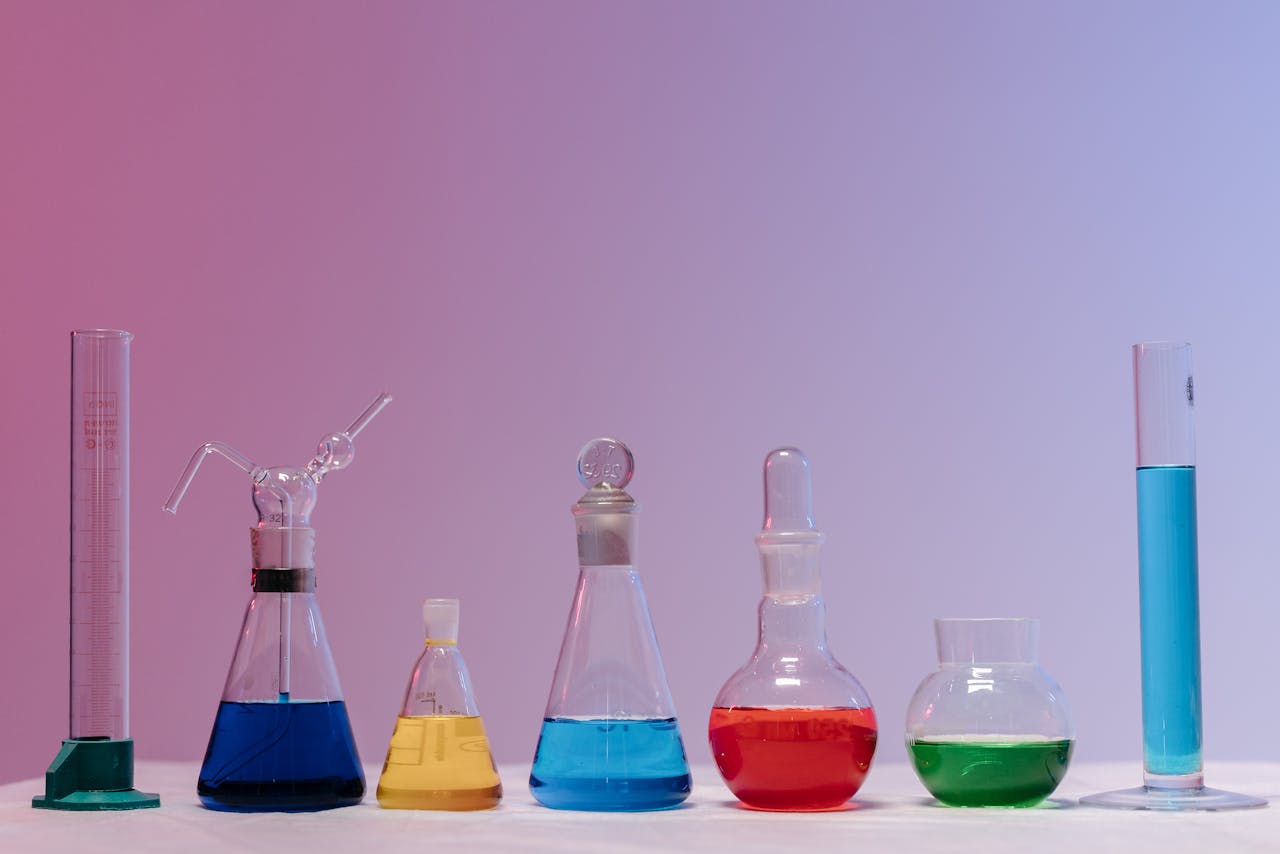
Generative AI Integration
Our generative AI integration service utilizes cutting-edge tools to enhance learning experiences. Students gain exposure to AI applications that aid in research, enabling them to explore scientific advancements and develop insights while honing their language skills in an innovative way.
04.
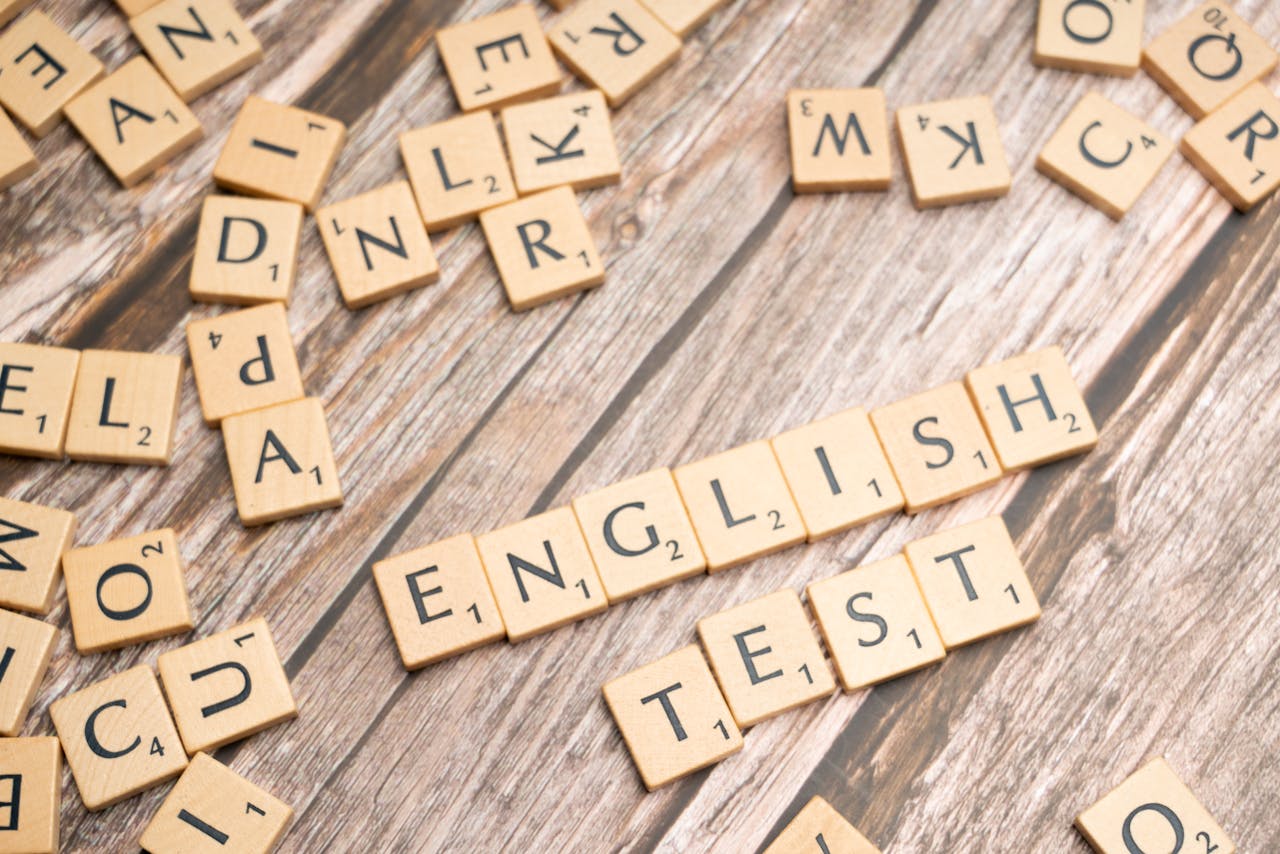
Interactive Learning
Our interactive learning platform combines engaging activities and resources, ensuring a dynamic education. Students participate in collaborative tasks that make learning English both enjoyable and effective, preparing them for the challenges of scientific discourse.
Our Comprehensive Learning Process Explained
Assessment and Diagnosis
We evaluate each student’s current level to tailor a custom learning plan that addresses their specific needs.
Blended Learning Approach
Our blended approach combines online resources with in-class activities, maximizing engagement and learning opportunities.
Continuous Feedback
Students receive ongoing feedback on their progress, ensuring they understand concepts and can apply them effectively.
Final Evaluation
At the end of the course, we assess students’ growth, highlighting strengths and identifying areas for further improvement.